In mining, for both processing and tailings, efficient size control of particles in water is necessary for classification.
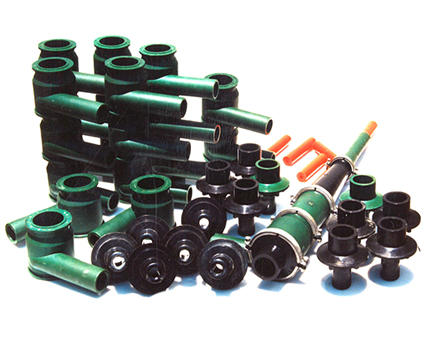
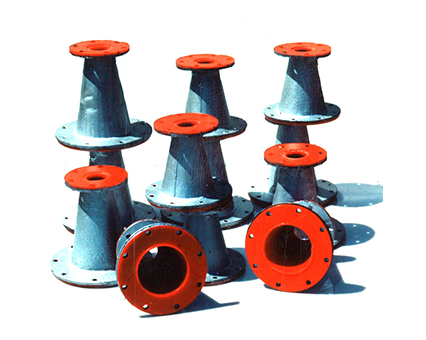
Trithane Cyclones ensure optimal wet classification providing minimal downtime, effective and efficient maintenance and offer the versatility to adapt to each customers precise needs.
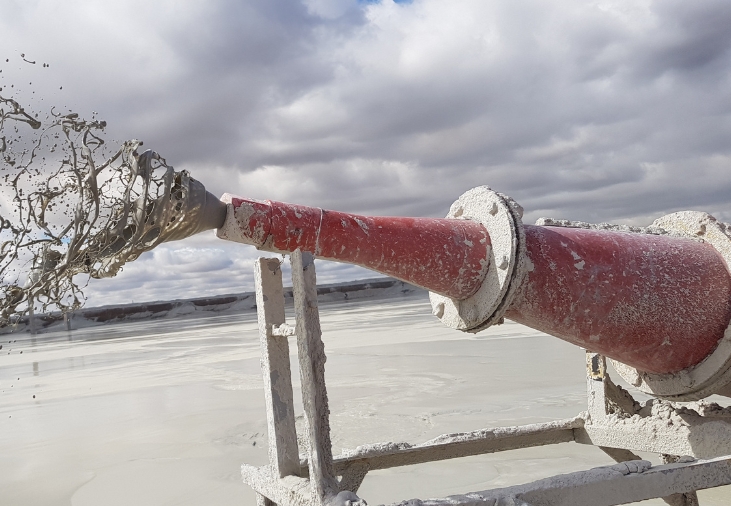
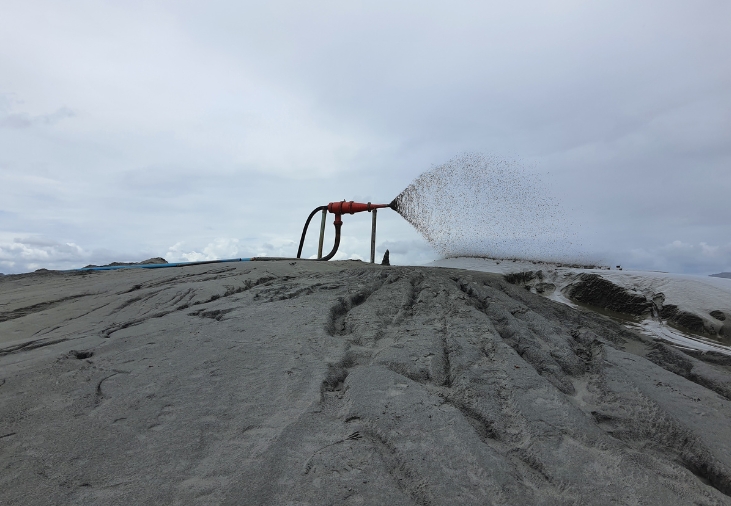
Hydrocyclones separate wet material using centrifugal force covering a spread of material with varying microns.
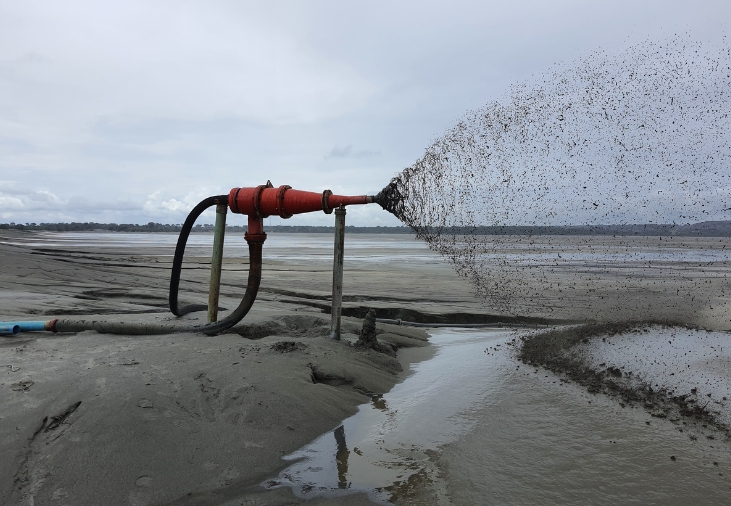
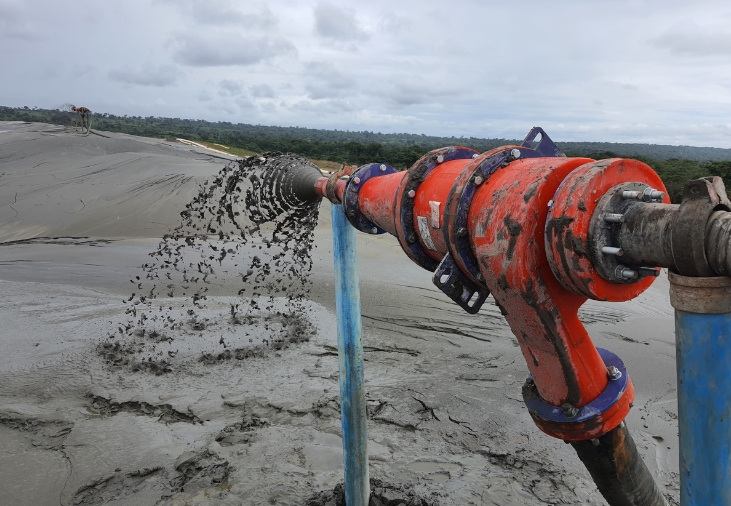
High mass particles closer to the outer wall of the vortex exit the underflow (Spigot), and lower mass particles closer to the center exit the overflow through the vortex finder.
- Trithane Cyclones have been designed and evolved over 40 years of trial and use, to world class performance and the solution to every client's needs.
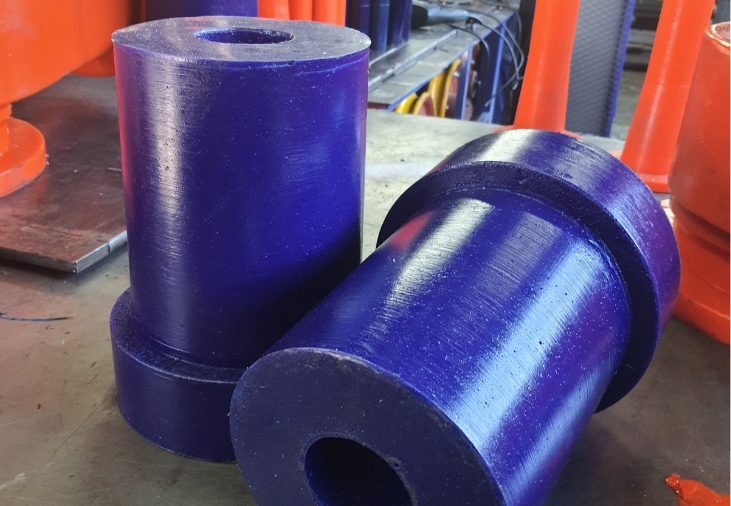
- They are made of the highest grade of polyurethane allowing for the best technical properties polyurethane has to offer. This offers high capacities, various pressures, material types, efficient and effective maintenance, and unquestionable durability minimising wear in abrasive applications.
- Our custom designed Inlet feed section improves the flow of material, vortex creation, your material cut and minimizes wear on the cyclone.
- The high wear components on the cyclone are easy to replace with little effort or downtime.
- Exceptional separation efficiency where fine cut-points for dewatering purposes are required.
- Offer a simple to use sampling and pressure monitoring point.
- Are ideal for dewatering applications in all types of mineral processing, focusing on water recovery and slurry densification.
- We offer various dewatering separation cyclones with variable components to achieve your process requirements.
- Are ideal where water and low density recovery are essential for your process.
- Full onsite support.
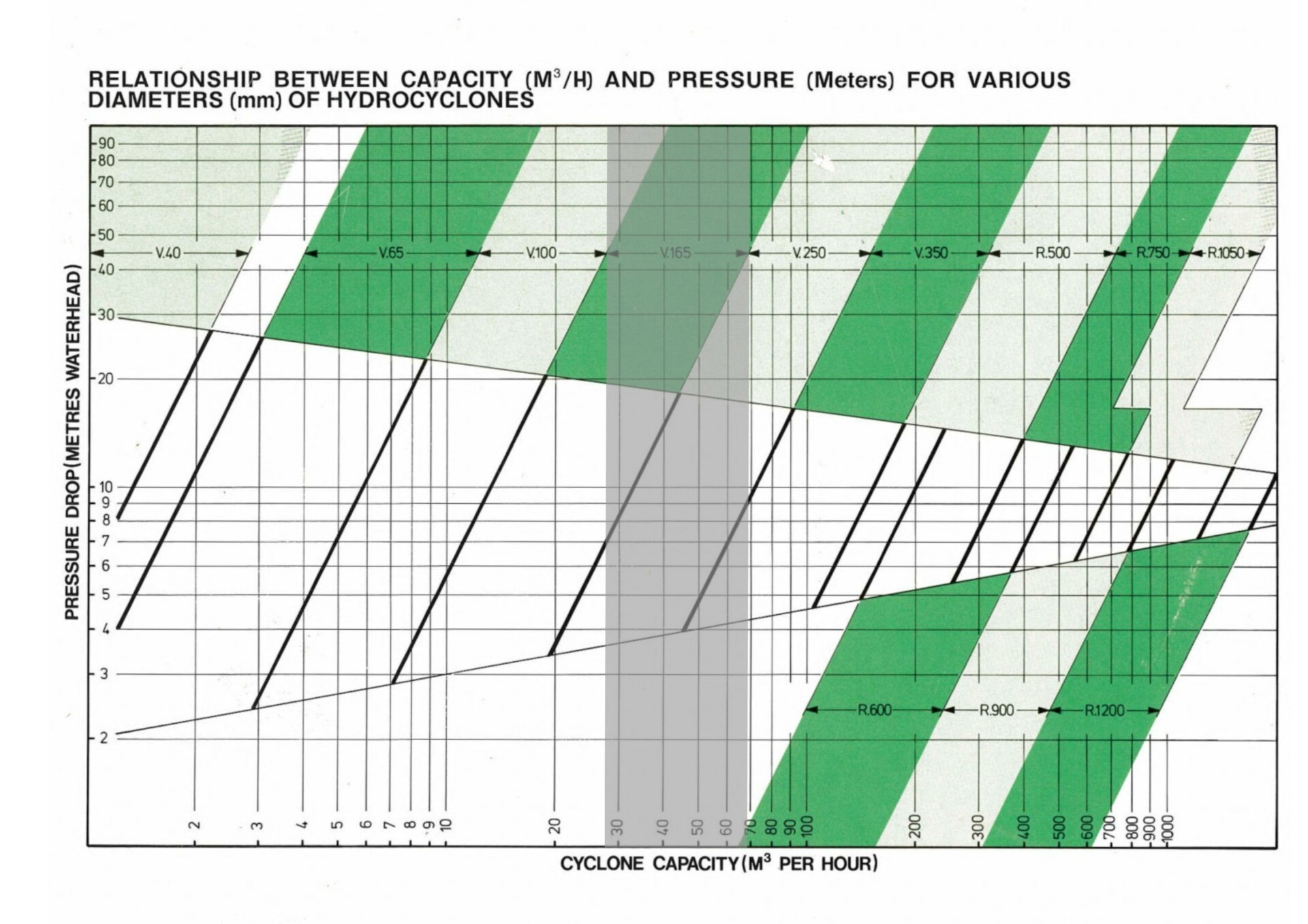
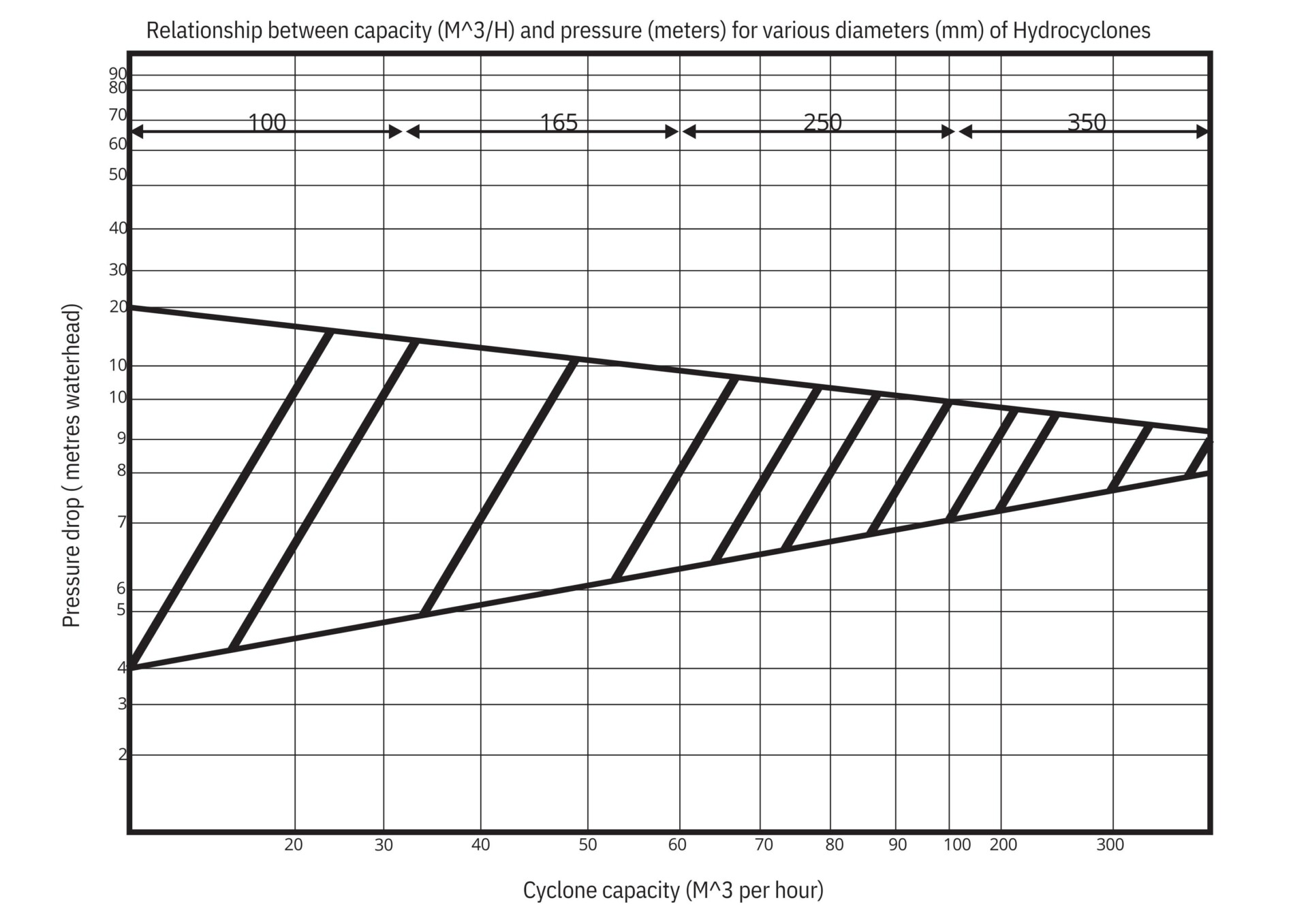
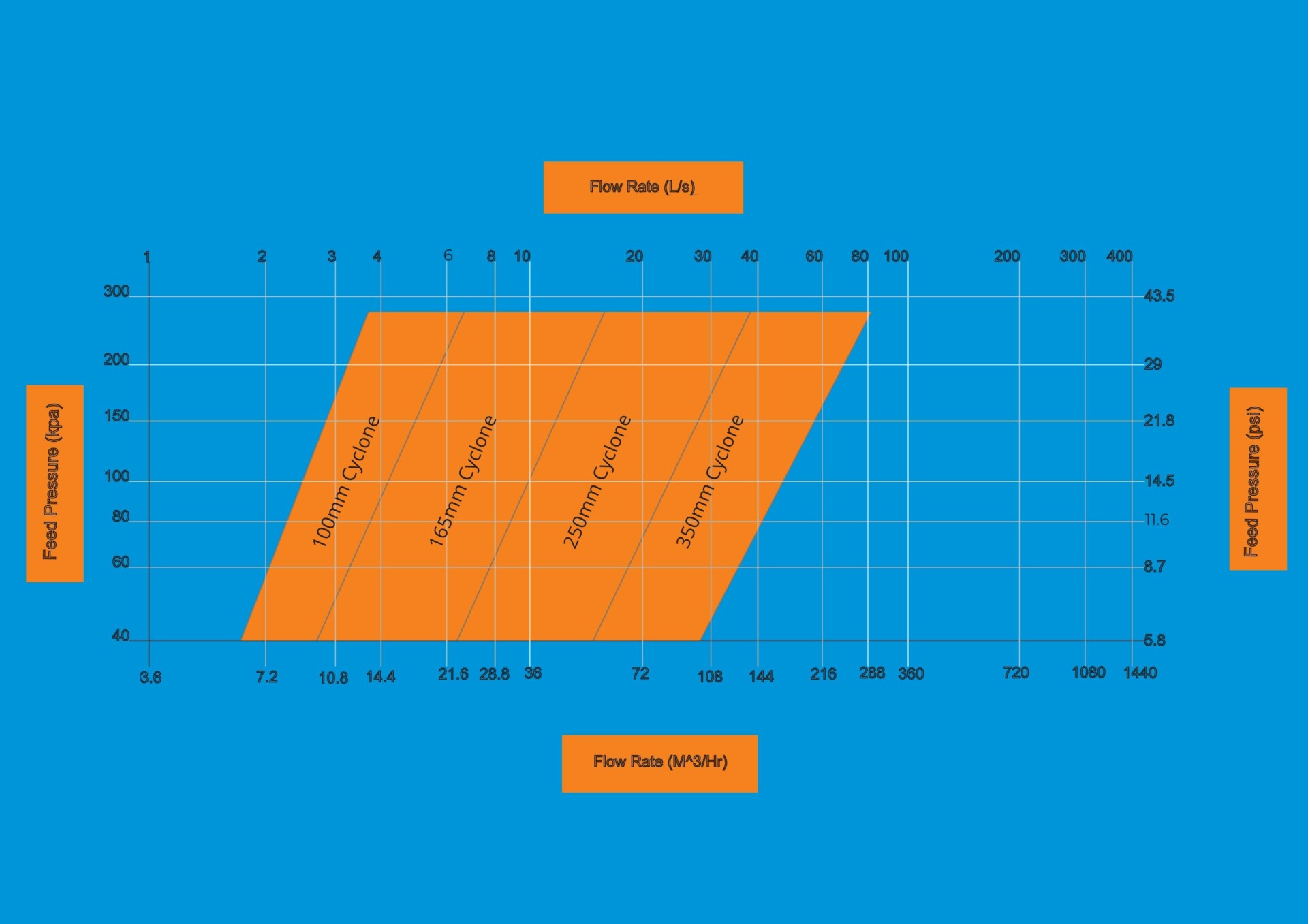
Trithane High Pressure Cyclones (0.6 bar and up) include:
- Solid polyurethane of 100mm, 165mm, 220mm, 250mm and 350mm, or
- Steel cased urethane lined cyclones of 250mm and 420mm. (where the feed to the cyclone does not contain a high fraction of ultra-fines and the loss of solids to the overflow is acceptable)